The Dead We Knew: Fog Weather Mechanics & Zombie Threats
Understand the deadly fog in The Dead We Knew. Comprehensive guide covering weather visibility, zombie horde aggression, sound cues, and barricade defenses.
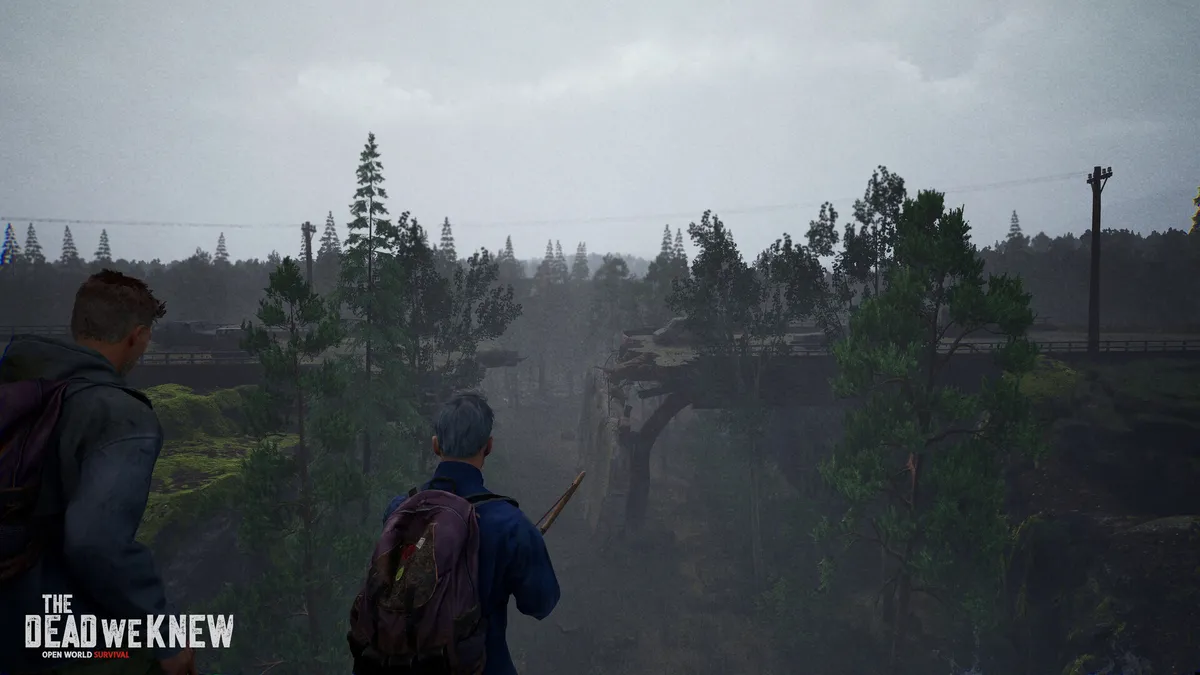
The weather in THE DEAD WE KNEW: Open World Survival is not merely an aesthetic background layer—it is an active survival adversary. While clear sunny afternoons allow peaceful timber logging and long-distance foraging, the sudden descent of thick volumetric mist fundamentally changes the rules of engagement.
This breakdown explores the environmental physics of the fog cycle, zombie sensory perception changes, horde roaming behaviors, and strategies to defend your compound against both infected and opportunistic human scavengers.
1. The Weather Engine & Fog Event Stages
The game’s 24-hour dynamic weather cycle rolls through four distinct atmospheric conditions:
  [Clear Daylight] ──► [Light Drizzle / Rain] ──► [Volumetric Fog Roll-in] ──► [Black Mist Midnight]
Visibility: 150m+ Visibility: 80m Visibility: 15m Visibility: <5m| Weather Phase | Average Duration | Player Sight Range | Infected Detection Multiplier | Environmental Hazard |
|---|---|---|---|---|
| Clear Sky | 10–14 real min | 150+ meters | 1.0x (Standard Line-of-Sight) | Dehydration from heat |
| Light Rain | 6–8 real min | 70–90 meters | 0.8x (Rain muffles footsteps) | Wet clothes, chill risk |
| Heavy Fog | 5–10 real min | 15–20 meters | 2.5x (Acoustic tracking spike) | Hypothermia, blindness |
| Supercell Mist | 3–5 real min | Under 5 meters | 4.0x (Horde frenzy) | Lethal wandering mutants |
What Causes the Fog?
Fog triggers dynamically based on biome elevation, ambient air temperature, and proximity to major water bodies (swamps, river valleys). Valley bottoms experience fog twice as often as mountain ridges.
2. Sensory Perception Shifts: How Fog Changes Infected
Under normal sunlight, infected wander aimlessly with predictable patrol radii. However, as the fog density counter passes 60%, server scripts activate heightened sensory profiles:
Acoustic Amplification
Infected gain heightened audio acuity. Actions that are silent at noon produce massive sound signatures in the mist:
- Chopping Wood: Triggers investigation radius of 65 meters (vs 20m in clear weather).
- Gunshots: Firing an unsuppressed 12-gauge shotgun draws every zombie within a 250-meter perimeter.
- Running / Sprinting: Generates rhythmic vibration pulses detected through wooden floors.
       [Normal Noon Acoustic Sphere]           [Dense Fog Acoustic Sphere]
                 ┌───┐                                 ┌───────────────┐
                 │ * │ (20m radius)                    │               │
                 └───┘                                 │       *       │ (65m radius)
                                                       │               │
                                                       └───────────────┘
Visual Reversal
While the player’s view distance collapses to under 15 meters, infected eyes adapt to low contrast. They perceive human silhouettes against white fog walls with startling accuracy. Turning on a handheld flashlight or vehicle headlight acts as a beacon, causing distant walkers to sprint straight toward your beam.
3. Infected Variants & Threat Classifications
Not all threats wandering through the mist are standard slow walkers:
1. The Shuffler (Common Infected)
- Speed: Slow shuffle; sprints only when within 8 meters.
- Tactic: Easily dodged in the open, but deadly in tight corridors. Conserve bullets; eliminate them with two-handed spear thrusts to the head.
2. The Screecher (Alert Variant)
- Speed: Fast erratic sprint.
- Behavior: Does not attack immediately upon detection. Instead, it stops, vents an ear-piercing scream that calls 5–10 neighboring infected, and then flees into the mist.
- Priority: Eliminate with high-damage single-shot rifles before it finishes its windup animation.
3. The Prowler / Stalker
- Speed: Silent crouch crawl.
- Behavior: Circles behind players, ambushing when stamina is depleted. Produces wet clicking sounds in the fog before lunging.
4. Hostile Human Scavengers (Raider NPCs)
Zombies are not your only hunters. Armed human scavenger factions establish temporary outposts and roam along highways:
| Faction Type | Gear Level | Primary Tactics | Danger Level |
|---|---|---|---|
| Desperate Scavengers | Improvised clubs, pistols | Ambushes at supply drops, scavenges roadside cars | Moderate |
| Armed Militia Bandits | Hunting rifles, body armor | Fires from elevated hunting stands, uses flashbangs | Extremely High |
Tactical Trick: You can lure dense zombie hordes toward hostile human camps. Fire a single round near a bandit compound during a fog storm, then retreat into the brush. The bandits’ return fire will attract every zombie in the sector, wiping out both threats while you loot the aftermath.
5. Fortifying Your Base Against Fog Attacks
When a supercell fog alarm sounds, do not attempt to travel outdoors. Barricade your cabin using these multi-layer perimeter defenses:
- Deploy Wooden Caltrops & Spikes: Place wooden sharpened stake lines 3 meters from exterior cabin walls. Stake traps instantly cripple sprinting shufflers.
- Reinforce Door Hinges with Sheet Metal: Prevents aggressive infected from bashing through wooden frames.
- Elevated Lookout Perch: Build a rooftop balcony accessible by an internal ladder. From this vantage, throw Molotov cocktails down into clustering groups without exposing your front entrance.
- Keep Fireplace Dampened: High smoke plumes emerging from chimneys can occasionally alert raider patrols to an occupied cabin.